
Jump to: Cognitive Function | Supplementing Creatine | Ready to Buy?
Creatine is well known for its role in helping athletes build muscle and recover from workouts, but what many people might not realize is that creatine also offers benefits far beyond muscle performance. In recent years, research has started to highlight creatine’s potential as a neuroprotective agent, meaning it might help to protect the brain and nervous system from damage and even support better cognitive function, especially when life gets stressful.
The Science of Creatine and the Brain
I first learned about creatine from exercise-centered conversations between researchers that I follow online (most of whom also happen to be doctors). The idea that it could also protect the brain only popped up when I began searching for scientific studies and reviews on its effects, then I realised that its benefits can go beyond athletics. The human brain requires a huge amount of energy, it uses 20% of the body’s energy consumption despite only being 2% of the body’s weight. Creatine plays a big part in storing and supplying that fuel. Inside our cells, creatine helps form ATP (adenosine triphosphate), which acts as the cell’s main energy source.
When you think about the fact that the brain is responsible for everything from breathing to brainstorming, keeping energy levels steady is super important. Under particular conditions, like long periods without food, intense study, or injury, the brain’s energy can run low. That’s when supplementing with creatine becomes especially useful. Studies in both animals and humans suggest that with added creatine, the brain might resist physical and chemical stresses more efficiently, supporting cognitive and neurological health.
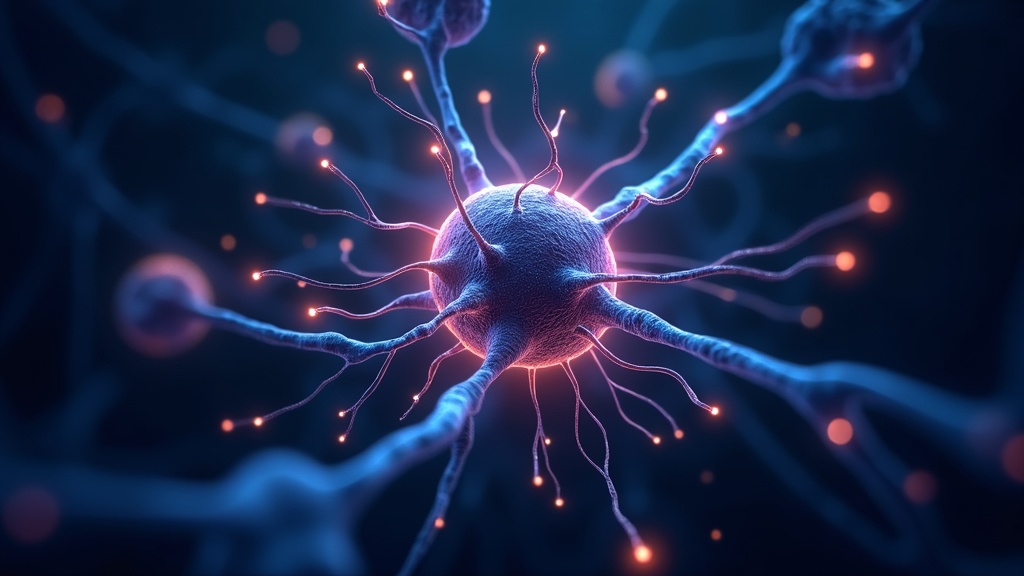
What Does Neuroprotection Mean?
Neuroprotection means strategies or substances that help shield nerve cells (neurons) from damage, death, or degeneration. As I dug deeper into the literature, I noticed how many conditions are connected to nervous system problems, ranging from traumatic brain injury and stroke to neurodegenerative diseases such as Alzheimer’s and Parkinson’s. Researchers are always on the lookout for safe, effective compounds that can help defend neurons against harm.
Creatine first caught the attention of brain researchers investigating treatments for neurodegenerative diseases. Animal models of these illnesses have shown that extra creatine in the diet or through supplementation offers some resistance to neuron loss and reduces symptom severity. While the evidence from animal studies is promising, more research in humans is needed, and results are still rolling in as science continues to advance.
How Creatine Benefits the Brain
Several mechanisms explain why creatine could benefit the brain:
- Energy Buffering: Creatine acts as an energy backup for the brain. It helps quickly regenerate ATP, the primary fuel for neurons, especially when demand or stress is high (reference).
- Reduced Cell Damage: When neurons are under pressure from toxins, lack of oxygen, or other threats, creatine may help limit cell death and reduce the release of damaging chemicals that can spark inflammation and further injury (reference).
- More Effective Recovery: After events like mild traumatic brain injury or stroke, animal studies suggest that creatine supplementation supports better recovery, potentially minimizing lasting deficits (reference).
- Support for Other Brain Functions: Creatine’s energy boosting effect helps neurotransmitter production and keeps vital signaling pathways working smoothly, supporting memory, reaction time, and attention (reference).
Since brain cells can only store so much creatine, supplementation helps increase total brain creatine, giving stronger energy reserves—especially when you’re up against tough or stressful conditions.
Creatine for Cognitive Function
One of the most interesting developments in the past few years is the impact of creatine supplementation on thinking and mental performance. Several studies have checked out how creatine affects memory, attention, and information processing. Some participants showed quicker reaction times, sharper recall, and better performance on challenging brain tasks while taking creatine.
This is especially relevant for students, nightshift workers, or anyone who goes for long stretches without food or sleep—periods when the brain really gets pushed. Studies where volunteers were tasked with demanding mental activities showed creatine supplementation helped them maintain or boost performance, especially when they were tired or sleep deprived. Even simple things like math tests or recalling words seemed a bit smoother for those with higher brain creatine levels.
Other Conditions Where Creatine Might Help
Researchers are exploring creatine’s neuroprotective potential in several areas:
- Traumatic Brain Injury (TBI): Studies in animals and small trials with humans have found that giving creatine before or after a brain injury can help maintain energy levels in the brain and reduce the size of injuries.
- Stroke: Animal research hints that creatine may help shrink the damage or speed up recovery after a stroke, by helping the brain quickly restore blood flow and energy after an interruption.
- Neurodegenerative Diseases: In conditions like ALS (amyotrophic lateral sclerosis), Huntington’s disease, and Parkinson’s disease, some animal studies and early human trials point to creatine as a possible way to slow symptom progression or help protect neurons from further harm.
- Major Depression: Since the brain’s energy systems often don’t work as well in mood disorders, creatine may offer a boost. A few first studies have shown some benefit for improving symptoms, especially in women or in people already taking antidepressant medication.
It’s important to remember that while lab studies in animals are often positive, more research in people is needed before creatine can be recommended as a main treatment for any health condition. Still, the science is developing in interesting ways for anyone curious about supplements that support brain health.
Supplementing Creatine
First of all, I always make sure about the safety record of any supplement before trying it myself or suggesting it to others. Creatine has a great reputation for safety among most people, even at the higher doses commonly used in sports. It is one of the safest supplements you can use. Look for third party tested or cGMP certified products for the best quality.
The usual dose for bumping up brain creatine is about 3-5 grams per day, but I find that taking 10mg (two 5mg doses) before lunch stops that afternoon energy dip that so many of us experience and keeps me feeling mentally sharp all day. Some people start with a brief “loading” phase at 20 grams a day for a week to increase stores quickly, but the jury is out on whether this is really needed.
Your body naturally makes creatine, and most people get extra from eating red meat and fish. Your muscles will grab the creatine first so supplementing ensures there is plenty for the brain too. Vegetarians and vegans, with their lower natural storage, may get a bigger benefit from supplementation.
There’s always a question about kidney or liver health. The good news is that studies—including large clinical trials—haven’t found any harm in healthy people at standard doses. If you have a kidney or liver condition, check in with your doctor before using creatine so you can supplement safely.
I recommend buying creatine supplements in powder form, as it’s easier to measure daily doses and to stir them into hot or cold drinks during the day (choose micronized to avoid clumping). You’d have to swallow a lot of capsules to reach the dosage I’m recommending. Gummies have become popular recently but most of the potency is diminished by heat during the manufacturing process, and some contain a lot of sugar. Finally, it’s a personal choice, but I prefer to buy my powders in a pouch. Not only more environmentally friendly, but also easier to store.
Shop our top (GMP approved) creatine picks on Amazon


We may earn a commission on qualifying purchases at no extra cost to you.
In Summary
- Aim for a daily dose of 5–10 grams of creatine monohydrate for steady, reliable benefits.
- Mix the powder into water, juice, or smoothies—it’s almost flavorless, especially if you buy the micronized version.
- Pick trusted brands that use outside lab testing so you know you’re getting purity and accurate dosing.
- If you have any health conditions or take medications, check with your healthcare provider before starting.
- Blending creatine with healthy eating and regular exercise can help your brain—and body—perform at their best.
Research into creatine’s neuroprotective properties is moving ahead quickly. Although more studies are in progress, there’s already plenty of evidence pointing toward this straightforward supplement’s ability to support and protect your brain in day-to-day life. By boosting energy, supporting recovery, and keeping you sharp as you tackle mental tasks, creatine stands out as a supplement worth looking into if you care about maintaining brain performance and health over time.
Photo Credit

Cover image by Vitaly Gariev on Unsplash