
I don’t know about you, but I thought I knew everything I needed to about protein intake. Having studied nutrition seriously for a couple of decades and experimented with many diets, I thought I could stay healthy and strong as long as I included some protein in my diet.
However, protein advice has seen a significant shift in recent years, mainly due to new findings drawn from better measurement methods. Traditionally, the focus was on ensuring enough intake to support muscle development and general bodily functions. However, recent research has offered fresh insights, leading to revised recommendations worldwide.
Studies have demonstrated that protein isn’t just about muscle. It’s now understood to play a major role in metabolic health, immune function, and even weight management. For example, this article highlights how higher protein intake can contribute to better body composition and weight loss maintenance. This growing body of evidence has driven health authorities to update their guidelines. The Recommended Dietary Allowance (RDA) has shifted to accommodate these broader health outcomes, with country-specific differences reflecting diverse dietary habits and health expectations.
Understanding these recent shifts is crucial. It guides how we think about our diet and emphasizes the importance of tailoring protein intake to our unique body needs. It’s about optimizing health through diet, moving beyond just adequate intake to a strategy that supports overall well-being.
Diverse Protein Needs Across Populations
Nowadays, the advice isn’t a one-size-fits-all. Different groups have varying needs based on their life stages and lifestyle choices. It’s important to know how much protein you need because it plays different roles in our bodies depending on where we are in life.
While the general recommendation for a healthy, sedentary adult remains about 0.75g of protein per kilogram of body weight (e.g., 45g for an average woman, 56g for an average man), newer research suggests this is a minimum to prevent deficiency, not the optimal amount for health. Some doctors are now recommending that everyone aims for the following:
- Older Adults: To counteract age-related muscle loss (sarcopenia) and support bone health, individuals over 50 are advised to aim for 1.0g to 1.2g per kg of body weight daily (e.g., 75g to 90g for a 75kg person).
- Active Individuals/Athletes: Those who exercise regularly, especially with resistance training, may benefit from 1.2g to 2.0g per kg per day to support muscle repair and growth. Some advanced strength athletes might even target up to 2.4 g/kg for maximal gains, although benefits may plateau after 1.6 g/kg for most.
- Individuals with certain health conditions: Those with cancer or other chronic inflammatory conditions may have increased protein needs, up to 1.2-1.5 g/kg per day, as advised by a healthcare professional.
Most health recommendations are derived primarily from studies conducted on men, with findings often generalized to women. It is now widely recognized that such recommendations may be incomplete or even inaccurate when applied to women, given the substantial hormonal and anatomical differences between the sexes. For instance, estrogen influences nearly every organ and physiological process in the female body, which may lead to higher protein requirements during certain stages of a woman’s life.
It is also important to understand that these recommendations are calculated based on averages across whole populations. Your individual needs may be different. Doctors and expert researchers that I have listened to insist that you should aim much higher than these recommendations. This can be quite difficult to achieve; I talk about this more below.
Evaluating Protein Quality
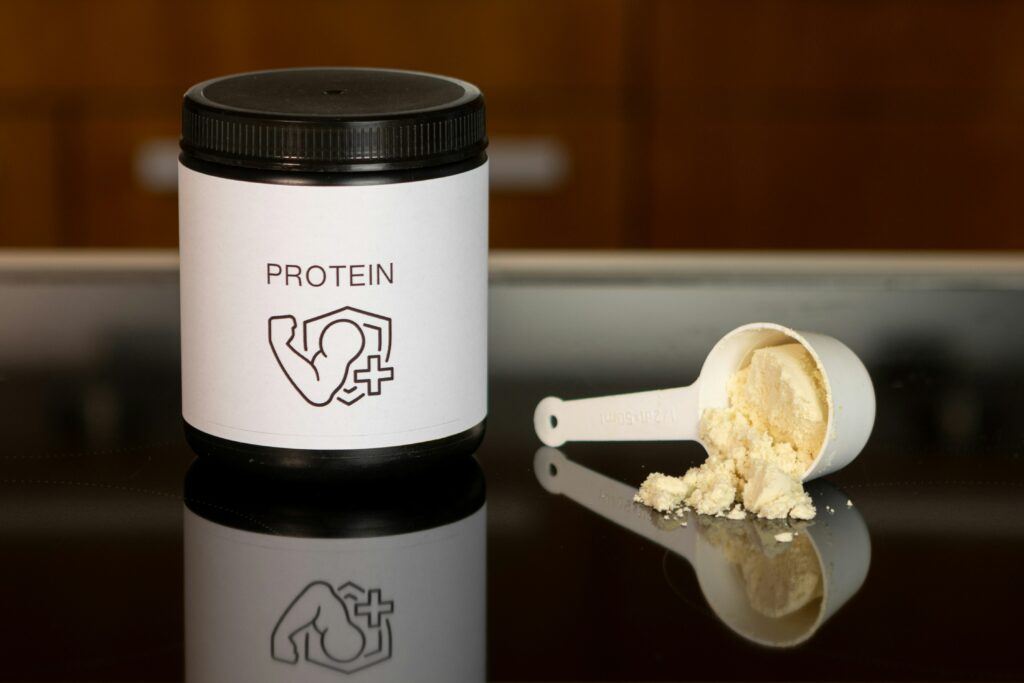
Photo by Aleksander Saks on Unsplash
Protein intake isn’t just about quantity. When choosing protein sources, the focus should be on quality rather than just how much you consume. Understanding the difference between various protein types can make a big difference in nutrition.
Animal proteins, like those found in meat, eggs, and dairy, are often considered complete proteins. They contain all the essential amino acids your body can’t produce on its own. This makes them a robust option for those needing to meet specific protein goals, especially for muscle repair and growth.
On the flip side, plant-based proteins, such as beans, lentils, and quinoa, are often incomplete, missing one or more essential amino acids. However, combining different plant sources can provide a complete protein profile. For example, pairing rice and beans or hummus with whole-grain bread can supply a full set of amino acids.
Bioavailability is another important aspect of protein quality. This term refers to how well your body can absorb and use the protein you eat. Animal proteins typically have high bioavailability, but certain plant proteins, when eaten in the right combinations, can match this efficiency.
Incorporating a mix of proteins into your diet ensures a variety of nutrients. Both animal and plant proteins offer unique benefits, such as fiber in plants and vitamin B12 in animal products. Eating a varied diet helps meet overall nutritional needs while keeping meals interesting and satisfying.
Practical Tips for Meeting Protein Requirements
Incorporating enough protein into your meals when you are targeting an optimal amount can be challenging but it’s all about making smart choices and finding what’s right for your lifestyle. By including a variety of protein sources, you can ensure a well-rounded intake that meets your needs.
It goes without saying that you should aim to include protein at each meal. If you are eating three meals a day, this will most likely get you about halfway to your target.
In between meals you can add protein rich snacks like nuts, jerky or a hard boiled egg to boost your intake. Although protein bars* are not optimal nutrition, they have helped me enormously with my sweet tooth by ensuring I have a protein boost while satisfying my sweet cravings.
Supplements like whey powder* or collagen powder* are easy ways to increase protein intake; you can add them to your coffee or blend them into a smoothie. You can also use them to fortify meals, for example, by stirring them into a sauce, breakfast oatmeal or greek yogurt.
Checking nutrition labels helps make sure you’re making the best picks. Look for products high in protein with minimal added ingredients and low sugar. Sometimes it’s surprising how much you can learn by just a quick glance at a label.
* We may earn a commission on qualifying purchases through this link at no extra cost to you.
Conclusion
Ultimately, getting enough protein isn’t about strict rules or chasing a magic number—it’s about tuning into what your body needs and making choices that help you feel strong and healthy. With fresh research showing just how much protein matters for everything from muscle and bones to immunity and metabolism, the best approach is to mix quality sources and listen to your own changing needs. Whether you go for yoghurt, lentil soup, or an occasional protein bar, every small step can move you closer to feeling your best—whatever stage of life you’re in.

Also check out this article:
How I Reach My Daily Protein Target